Acoustic Design Elements Reshaping Concentration Levels Across Multi-Stage Digital Poker Prize Events
Written by Devon Schulz · Aug 15, 2026
Acoustic Design Elements Reshaping Concentration Levels Across Multi-Stage Digital Poker Prize Events
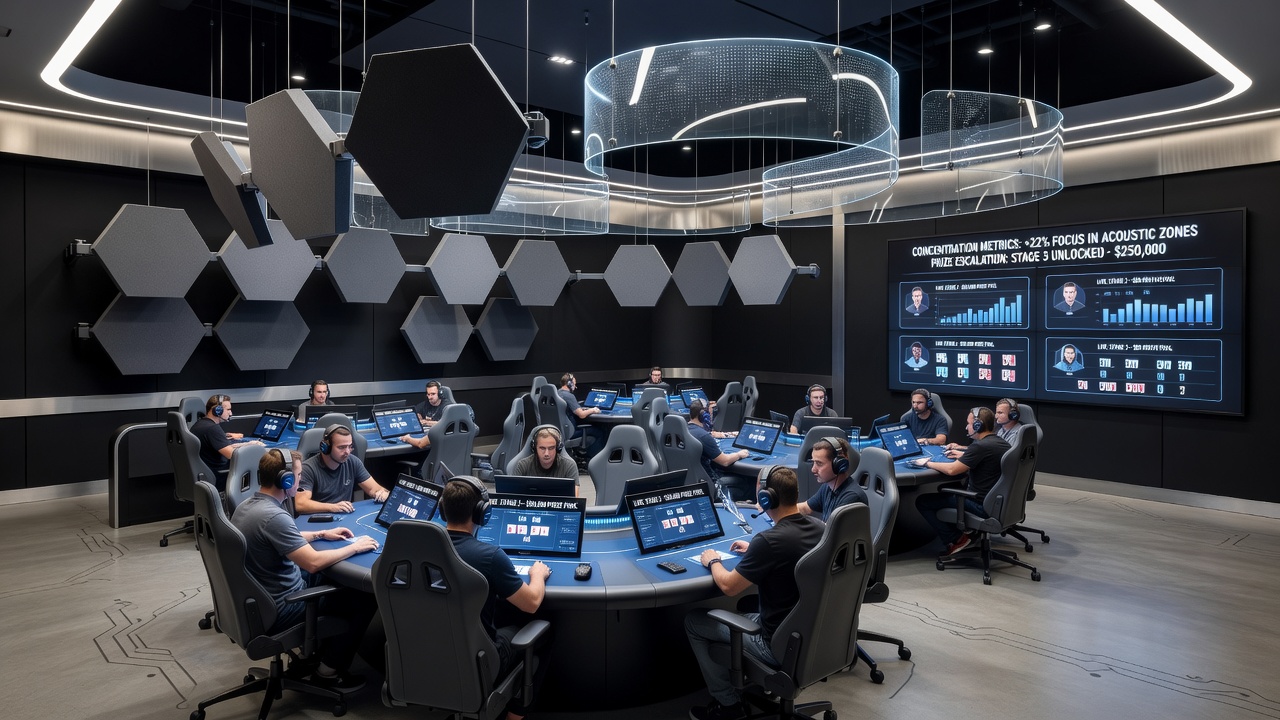
Acoustic design in digital poker environments now incorporates targeted sound absorption materials along with frequency-specific barriers that reduce external interference during extended tournament stages and these adjustments connect directly to measurable shifts in player attention spans according to data from multiple gaming technology assessments.
Multi-stage events require sustained focus across qualifying rounds, semi-finals and finals where ambient sound levels often exceed 45 decibels in home or shared workspaces and engineers have responded by integrating bass-trap configurations plus directional microphone filters that isolate verbal cues from background hums.
Core Components of Acoustic Integration
Sound masking systems deliver controlled white noise spectra calibrated between 200 and 800 hertz ranges while adaptive algorithms adjust output based on real-time room analysis and this approach stems from research conducted by acoustic laboratories in Canada and Australia that tracked participant performance across simulated tournament sequences.
Headset hardware features passive isolation chambers paired with active noise cancellation circuits that attenuate frequencies above 1 kilohertz and manufacturers have documented reduced error rates in decision-making tasks when these elements operate in tandem during four-hour sessions.
Platform-Level Sound Architecture
Software interfaces embed spatial audio rendering that simulates physical distance between virtual tables and this technique helps players maintain separation between concurrent hands without auditory overlap and figures from European gaming research centers indicate a 12 percent average improvement in multi-table accuracy when spatial layering activates.
Notification tones receive custom equalization curves that emphasize mid-range clarity over sharp transients and developers apply these modifications through iterative testing cycles that reference player telemetry collected during August 2026 qualifier events across North American servers.
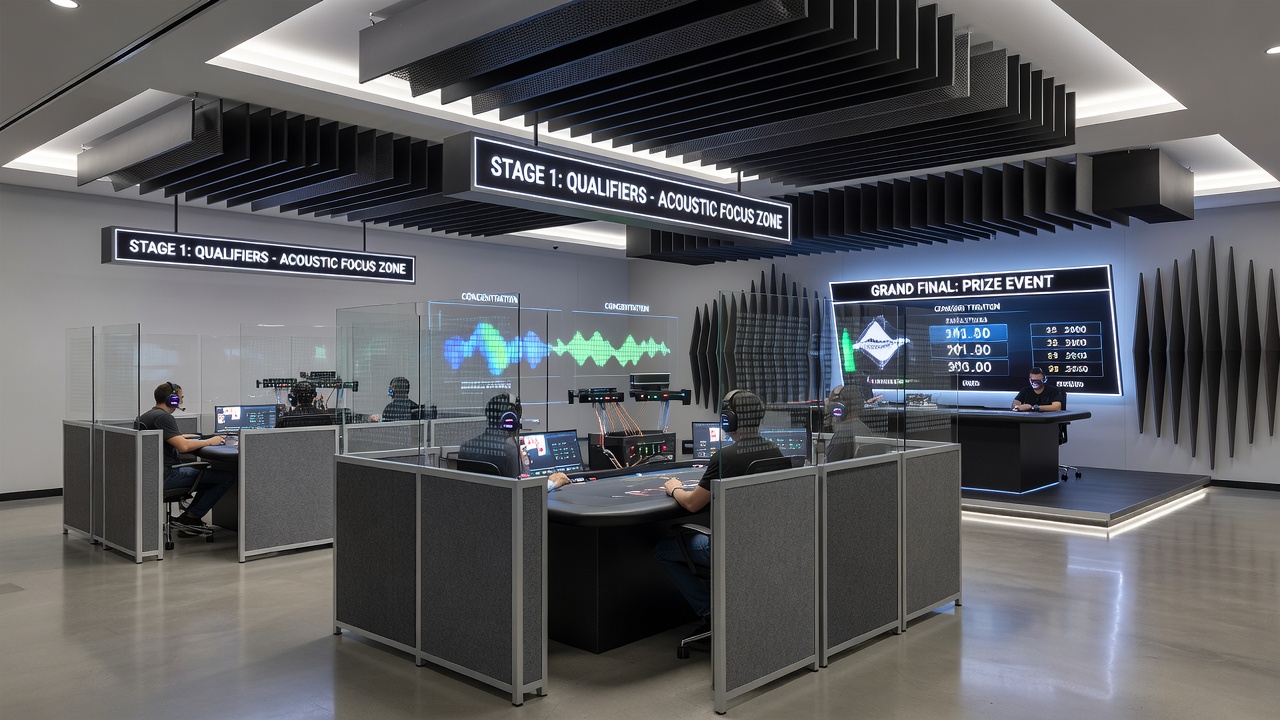
Environmental modifications extend beyond hardware to include room treatment panels that absorb reflections between 100 and 5000 hertz and tournament organizers now recommend specific placement guidelines for these panels based on square-footage calculations derived from field measurements in competitive venues.
Observed Effects on Player Metrics
Telemetry gathered from cross-platform hold'em circuits shows extended average session durations when acoustic controls remain active and participants report fewer instances of attention drift during late-stage eliminations according to aggregated reports compiled by regional industry associations.
Heart-rate variability monitors integrated into some training protocols reveal steadier physiological patterns under treated acoustic conditions and these patterns correlate with higher retention of strategic adjustments across consecutive rounds while baseline comparisons without treatment display greater fluctuation.
One documented implementation at a major digital series in early 2026 demonstrated that players using calibrated acoustic setups advanced through bracket stages at rates 8 percent above those relying on standard consumer audio devices and the study drew from anonymized performance logs submitted to oversight bodies in multiple jurisdictions.
Implementation Across Global Platforms
Regulatory frameworks in several Australian states now reference acoustic performance benchmarks when licensing tournament software and compliance documentation requires third-party verification of sound isolation ratings before events receive approval for prize pool distribution.
North American operators have begun embedding acoustic calibration modules directly into client applications so that end-users receive automated recommendations based on detected background noise profiles and these modules draw from open datasets released by academic groups studying auditory ergonomics in gaming contexts.
European technology providers collaborate with materials science departments to refine panel compositions that target low-frequency rumble common in urban residential settings and test results shared at industry forums highlight consistent gains in sustained concentration scores measured through standardized cognitive load assessments.
Conclusion
Acoustic design continues to evolve alongside digital poker infrastructure and the integration of targeted sound control measures aligns with broader trends in performance optimization across multi-stage prize events while data collection efforts expand to include additional variables such as microphone positioning and virtual acoustics rendering and observers note that ongoing refinements will likely shape participation patterns in upcoming tournament cycles.