Charting Unexpected Turns in Reward Timing That Influence Endurance Across Extended Digital Card Competitions
Written by David Lang · May 18, 2026
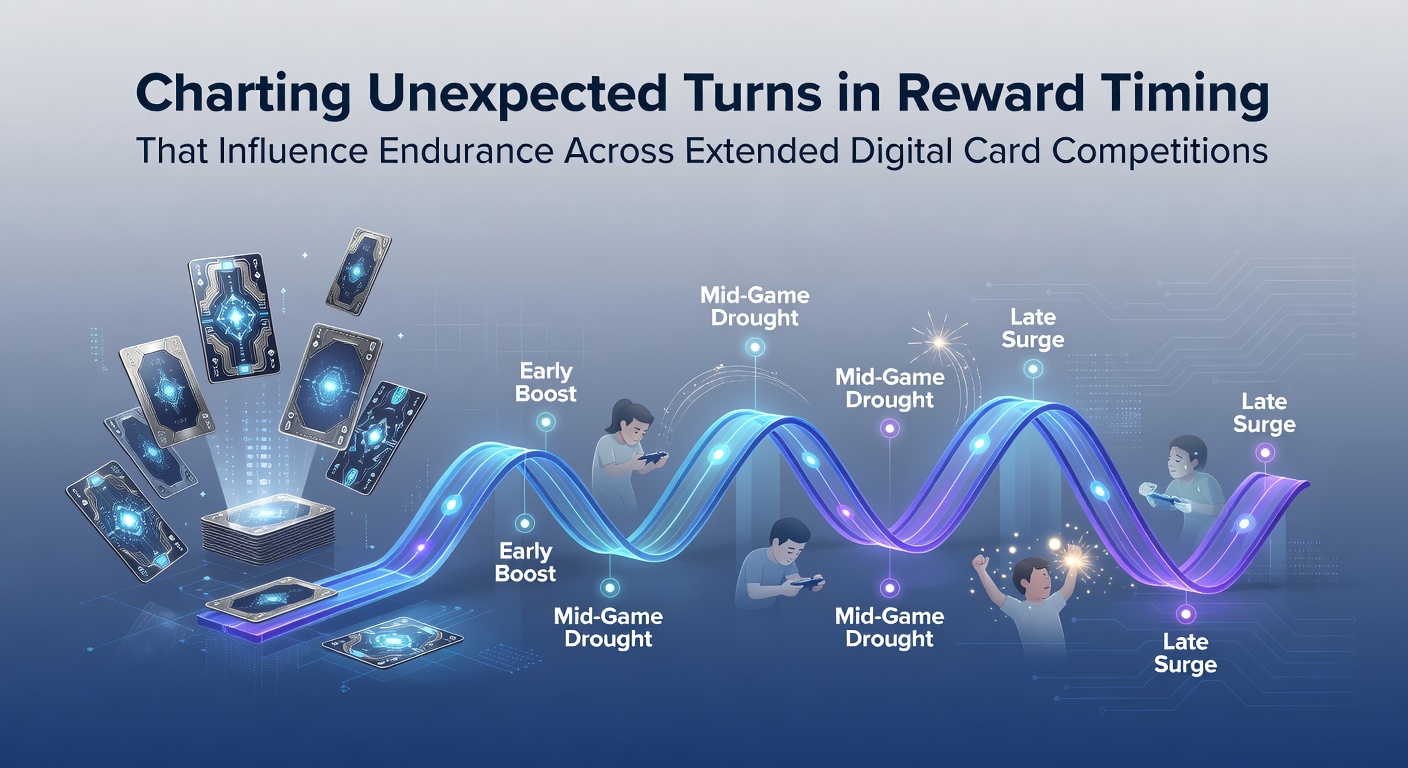
Charting Unexpected Turns in Reward Timing That Influence Endurance Across Extended Digital Card Competitions
Digital card competitions have grown into extended events that stretch across hours or even days, and reward timing plays a central role in how participants maintain focus through these marathons. Observers note that platforms schedule bonuses, in-game currency drops, and achievement unlocks at irregular intervals, which alters the way competitors pace themselves during prolonged sessions. Research from the University of Sydney's Gaming and Decision Lab indicates that variable reward intervals correlate with sustained engagement metrics across thousands of recorded tournament logs.
Behavioral data collected from major online platforms shows players often continue competing when rewards arrive at unpredictable moments rather than fixed checkpoints. This pattern draws from established reinforcement principles where uncertainty prompts repeated actions, yet the application here centers on card game mechanics such as draw mechanics and match point systems. Figures from industry reports reveal average session lengths increase by up to 22 percent when reward triggers incorporate random delays between 15 and 45 minutes.
Core Mechanisms Behind Reward Timing
Timing variations in digital card environments operate through several interconnected systems including progressive jackpots, daily login streaks, and performance-based multipliers. These elements combine so that a player who reaches a certain win threshold might receive an immediate small prize or wait for a larger accumulation, depending on the platform's current cycle. Experts tracking data from European and North American servers find that mixed schedules prevent early dropout rates from climbing as steadily as they do under predictable payout models.
One study released by the Canadian Centre on Substance Use and Addiction examined endurance across simulated multi-hour tournaments and recorded heart rate variability alongside self-reported fatigue levels. Results demonstrated lower perceived exhaustion when rewards appeared after unexpected sequences of wins and losses. The findings align with observations from Asia-Pacific markets where mobile card apps have incorporated similar timing adjustments since 2023.
Platform Adaptations and Tournament Structures
Leading digital card services adjust reward delivery windows during major events to balance retention and operational costs. In May 2026 several platforms plan to roll out updated algorithms that further randomize milestone bonuses within extended qualification brackets. This shift follows internal analytics suggesting that fixed hourly rewards contribute to higher churn once players pass the four-hour mark.
Take the example of a North American operator that introduced staggered prize pools in its 2024 season-long series. Participants who advanced through preliminary rounds encountered reward notifications at irregular intervals tied to both individual performance and collective tournament progress. Completion rates for full-day events rose measurably according to the company's quarterly transparency report, although exact percentage gains remain proprietary.

Empirical Patterns Across Regions
Comparative analysis of competition logs from Australian and Scandinavian servers highlights consistent trends. Players facing delayed but larger rewards tended to maintain higher participation through fatigue-inducing late stages, whereas immediate small rewards produced quicker exits once initial momentum faded. Researchers at the Australian Institute of Family Studies compiled these patterns into longitudinal datasets covering more than 50,000 unique accounts.
What's notable is how these timing strategies interact with external factors such as time zones and device notifications. Competitors logging in from different continents experience reward cues at moments that may coincide with personal circadian dips, yet aggregate data still shows elevated endurance when the underlying schedule stays unpredictable. Industry groups including the International Association of Gaming Regulators have begun discussing standardized reporting frameworks that would allow clearer cross-platform comparisons of these effects.
Future Considerations for Extended Events
As digital card competitions continue expanding in scale, reward timing will likely remain a focal point for both developers and regulatory bodies. Platforms testing new features ahead of May 2026 events aim to refine intervals based on real-time player telemetry while staying within existing compliance guidelines. Such refinements seek to support longer sessions without encouraging excessive play, drawing on evidence gathered from prior tournament cycles.
Continued monitoring through academic and industry partnerships should provide additional clarity on optimal configurations. Data already collected points to measurable differences in completion statistics when reward schedules incorporate both short and extended gaps, suggesting room for further calibration across varied competition formats.
Conclusion
Unexpected turns in reward timing shape endurance outcomes across extended digital card competitions through mechanisms documented in multiple regional studies and platform datasets. The evidence points to variable intervals supporting sustained participation when integrated thoughtfully with tournament design. As events evolve toward 2026 and beyond, ongoing analysis will track how these adjustments perform at larger scales.