Connections Between Funding Selections and Sustained Engagement Levels Across Promotion-Driven Tournament Structures
Written by Devon Schulz · Jul 16, 2026
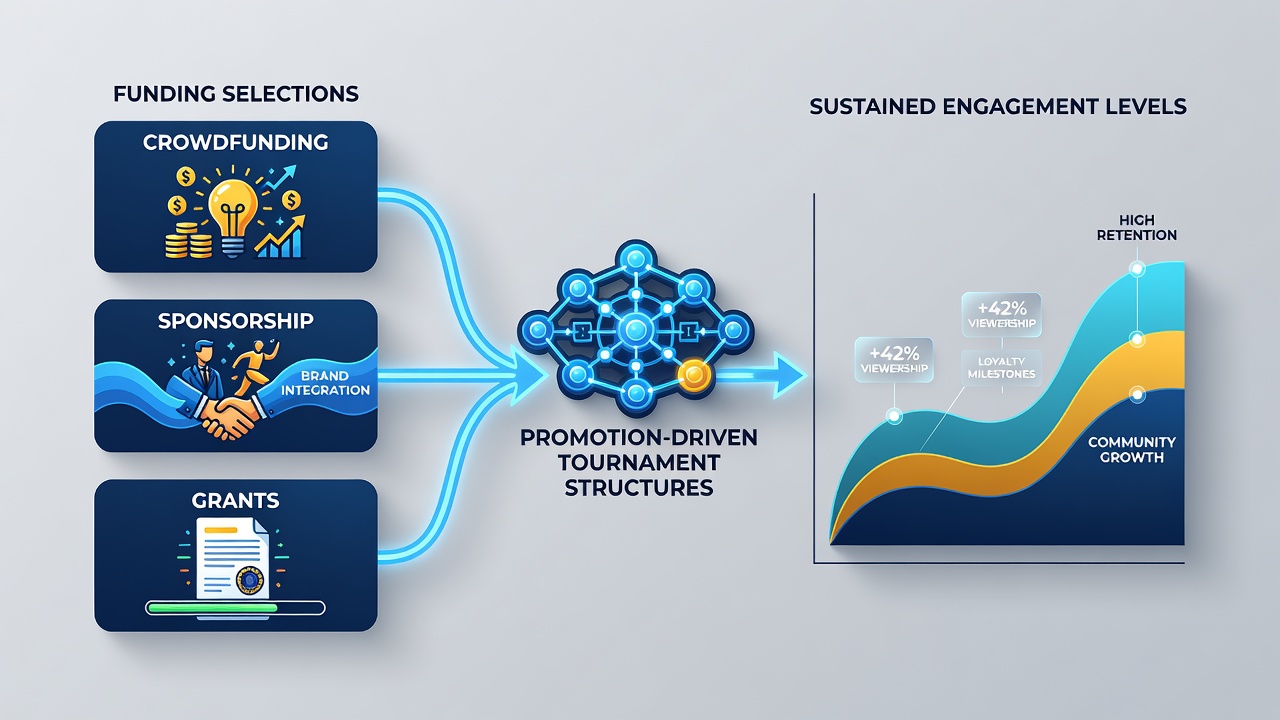
Connections Between Funding Selections and Sustained Engagement Levels Across Promotion-Driven Tournament Structures
Funding selections shape how participants enter promotion-driven tournament structures, and data indicates clear patterns between those choices and how long players remain active across multiple stages. Payment method preferences, deposit timing, and access to bonus-linked accounts all tie directly into retention metrics tracked by operators and industry observers. Research from multiple regions shows that certain funding routes correlate with higher repeat participation rates, particularly when promotions tie entry fees to ongoing reward cycles.
Payment Methods and Entry Patterns
Participants select from bank transfers, digital wallets, and card-based options when funding tournament accounts, and each method carries distinct processing speeds that affect how quickly players join active events. Faster options often align with immediate entry into time-sensitive promotions, whereas slower methods lead to delayed starts that sometimes reduce overall session counts. Figures from regulatory reports reveal that digital wallet users maintain longer streaks of consecutive tournament entries compared with those relying on traditional bank wires, especially in circuits where daily or weekly bonuses refresh automatically.
Operators track these differences through internal analytics, noting that account funding frequency rises when promotions reward consistent deposit activity over fixed calendar periods. In multi-stage formats, players who choose recurring payment setups show steadier involvement levels because automatic top-ups reduce friction between rounds. Data collected across North American and European markets demonstrates that card-funded accounts experience fewer drop-offs after initial losses, while wallet users extend their participation when cashback promotions activate on cumulative deposits.
Promotion Structures and Retention Data
Promotion-driven tournaments frequently layer entry requirements onto funding thresholds, creating direct connections between how players allocate money and how they progress through bracket stages. Seasonal campaigns that match deposits with additional tournament tickets produce measurable upticks in sustained engagement, according to aggregated operator statistics. Players who meet repeated funding milestones within a single cycle tend to complete more bracket rounds before exiting the circuit.
July 2026 brought updated reporting requirements in several jurisdictions, prompting operators to publish clearer breakdowns of deposit-linked retention rates. Those disclosures highlight that accounts funded through loyalty-integrated platforms maintain higher average stage completions than accounts using one-time transfers. Observers note that the structure of these promotions encourages participants to select funding methods that support ongoing verification and reward tracking.
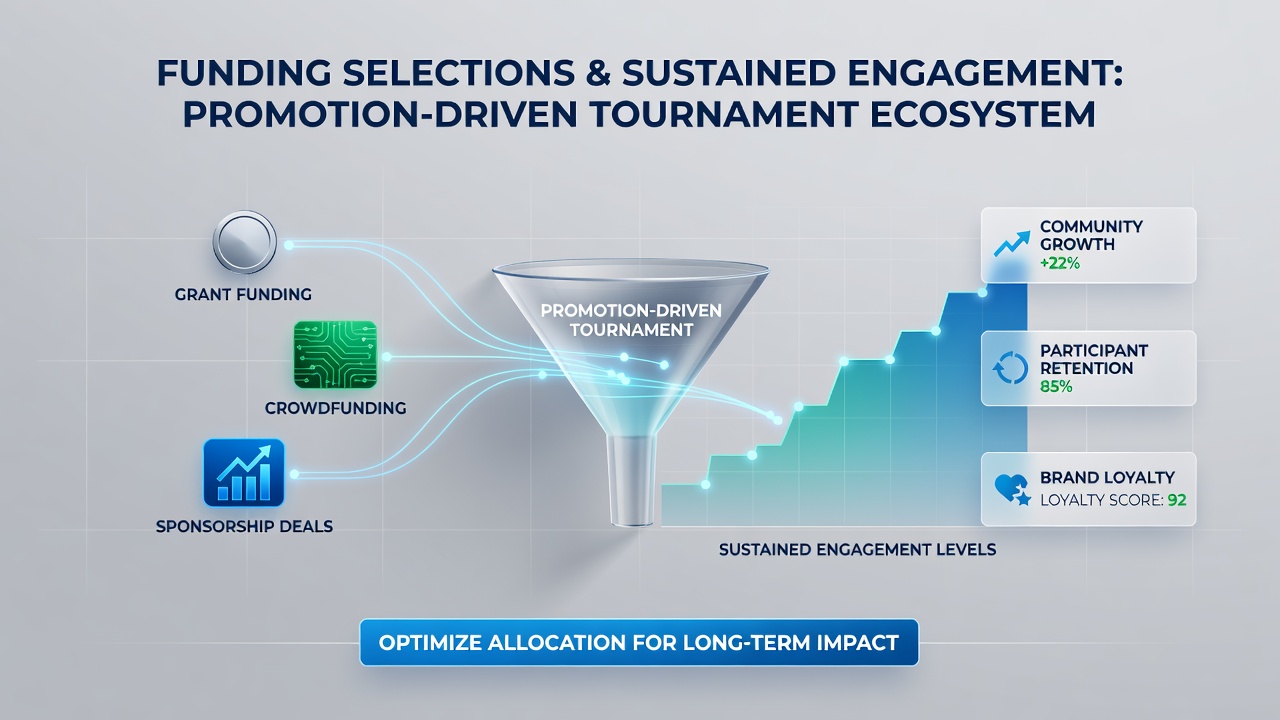
Regional Variations in Funding Influence
Geographic differences emerge when comparing how funding selections interact with local promotion rules. In markets with strict deposit caps, participants gravitate toward methods that maximize each transaction's promotional value, resulting in concentrated engagement windows rather than spread-out activity. Australian regulatory summaries and Canadian provincial data both indicate that players using verified recurring payments complete more tournament stages per month than those using sporadic large deposits.
European operators report similar trends where instant verification tied to certain funding providers reduces barriers between promotion periods. Accounts that clear funding checks quickly enter subsequent rounds without interruption, which correlates with elevated completion percentages across extended circuits. Those patterns hold across both online platforms and hybrid events that combine digital entry with live final tables.
Tracking Sustained Involvement Metrics
Industry organizations compile retention statistics that isolate funding variables from other engagement factors. Reports compiled by the American Gaming Association track how deposit method choices align with average number of tournaments entered per active month. Parallel findings from Australian sources show that accounts funded through integrated banking apps sustain longer participation arcs when promotions refresh on a rolling basis.
These measurements reveal that players who diversify funding sources across multiple verified methods sometimes achieve higher cumulative engagement totals than single-method users. The connection appears strongest in formats where promotions scale rewards according to total funded volume rather than individual transaction size. Tournament structures that publish transparent funding-to-reward ratios tend to attract participants who plan deposits around those published cycles.
Conclusion
Evidence gathered from regulatory filings, operator analytics, and cross-regional studies establishes measurable links between funding selections and sustained engagement levels in promotion-driven tournament structures. Payment speed, verification ease, and alignment with bonus cycles all contribute to the length and consistency of participation. As reporting standards evolve, clearer datasets continue to map these relationships across different markets and tournament formats.