Exploring how loyalty tiers reshape participation rhythms in cross-border hold'em prize events
Written by Devon Schulz · Jun 22, 2026
Exploring how loyalty tiers reshape participation rhythms in cross-border hold'em prize events
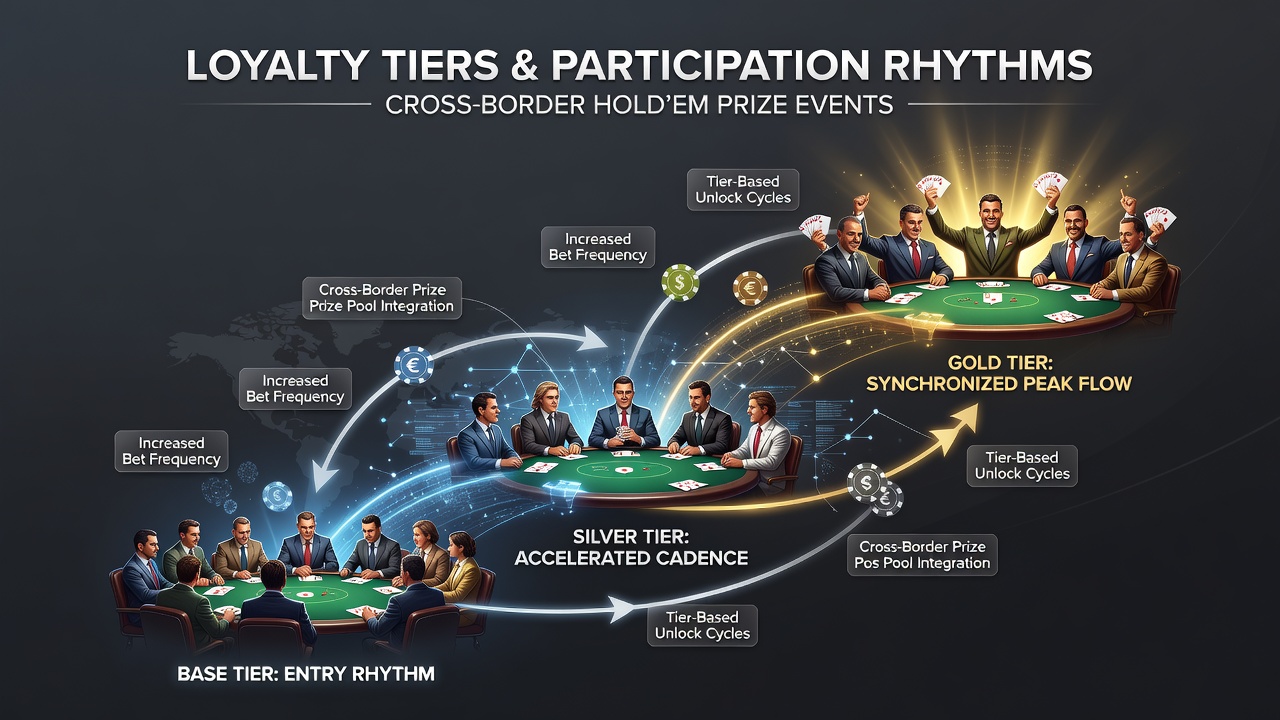
Loyalty tiers in cross-border hold'em prize events organize player engagement through structured reward systems that adjust entry requirements, bonus allocations, and progression milestones across multiple jurisdictions. These frameworks track cumulative activity in tournaments spanning different regulatory environments, and they alter when participants register, how frequently they compete, and the duration of their involvement in multi-stage series. Data from industry tracking shows that tier advancements correlate with shifts in registration patterns, particularly when events cross national borders where currency conversions, tax rules, and licensing standards vary.
Mechanics of Tiered Systems in International Hold'em Circuits
Operators implement tier levels such as entry, intermediate, and premium categories based on points accumulated from buy-ins, session lengths, and placement results. Higher tiers unlock reduced entry fees for subsequent events, priority seating in cross-border qualifiers, and access to progressive prize pools that accumulate across regions. Researchers tracking participation in events organized under both North American and European licensing have noted that players reaching intermediate tiers often adjust their schedules to align with qualification windows that span multiple time zones. This adjustment occurs because premium rewards require consistent activity across platforms licensed in separate countries, prompting earlier registrations to secure spots before deadlines tighten.
Points systems accumulate through real-money hold'em play where each tournament contributes to overall standing regardless of geographic location. Cross-border events add layers because operators must reconcile differing verification processes and payout timelines, which influences how quickly players advance between tiers. In practice, participants in higher categories demonstrate more predictable rhythms, entering events at regular intervals rather than clustering activity around major annual festivals.
Shifts in Registration and Session Patterns
Analysis of tournament databases reveals that loyalty progression modifies the timing of entries into prize events. Lower-tier players tend to register during promotional windows tied to seasonal bonuses, whereas those in advanced tiers spread participation across the calendar year to maintain status. This spreading effect appears in series that include stops in the United States, Canada, and Australia, where data indicates sustained involvement rather than concentrated bursts. Figures from regulatory filings show that tiered incentives reduce last-minute entries by approximately 18 percent in multi-jurisdictional circuits during the first half of 2026.
June 2026 brought additional visibility to these patterns when several operators launched synchronized qualification paths for events scheduled later that summer. Players monitored tier status updates closely because mid-year resets in some programs required specific activity thresholds to carry benefits forward. Those who maintained intermediate standing registered for preliminary rounds weeks in advance, creating steadier flows of entries across platforms compared with previous years.
Cross-Border Regulatory Influences on Tier Benefits
Different licensing bodies impose distinct requirements on how loyalty rewards translate across borders. Canadian provincial regulators, for example, require separate accounting for points earned in provincially licensed events versus international ones, which affects how quickly players qualify for shared prize pools. iGaming Ontario reports document that tiered participants adjust deposit and withdrawal timing to comply with these reconciliation rules while preserving eligibility. Similar adjustments occur under Australian state frameworks where operators must report loyalty redemptions separately from standard tournament revenue.
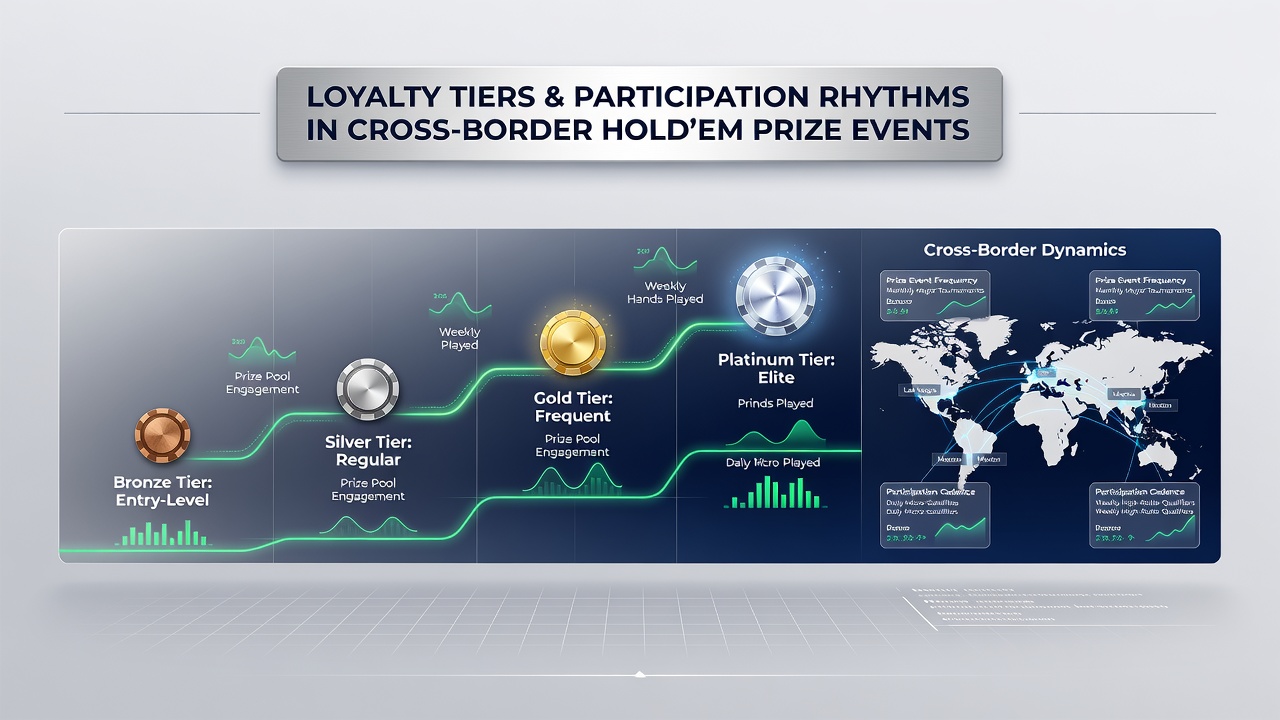
Tax treatment further shapes rhythms because higher-tier rewards sometimes include taxable components that vary by jurisdiction. Participants therefore time their entries to align with fiscal reporting periods, avoiding clusters near year-end deadlines in multiple countries. Industry organizations such as the American Gaming Association compile statistics showing that these considerations lead to more distributed participation calendars among loyalty members in events that cross the U.S.-Canada corridor.
Observed Effects on Multi-Stage Event Involvement
Multi-stage hold'em circuits demonstrate clearer rhythm changes once loyalty tiers activate. Players who reach premium levels maintain involvement across preliminary and final stages at higher rates than those in entry categories. Tracking data from 2025 through mid-2026 indicates that tier advancement correlates with a 12 to 15 percent increase in completion rates for full series that span three or more countries. This pattern emerges because accumulated benefits offset travel and entry costs that otherwise discourage continued participation after early eliminations.
Operators have responded by introducing tier-specific satellite structures that feed directly into cross-border main events. These satellites operate on staggered schedules that encourage consistent weekly or bi-weekly engagement rather than sporadic large buy-ins. The result appears in aggregated registration logs where activity from tiered accounts shows less variance week to week compared with non-tiered accounts.
Conclusion
Loyalty tiers function as structural elements that recalibrate when and how often participants engage with cross-border hold'em prize events. Through point accumulation, reward differentiation, and alignment with varying regulatory calendars, these systems produce measurable shifts toward steadier registration patterns and extended series involvement. Continued data collection from multiple jurisdictions will clarify the long-term distribution of these effects across player populations.