How Payment Verification Delays Intersect with Strategy Shifts in Multi-Platform Progressive Jackpot Hold'em Events
Written by Devon Schulz · Aug 8, 2026
How Payment Verification Delays Intersect with Strategy Shifts in Multi-Platform Progressive Jackpot Hold'em Events
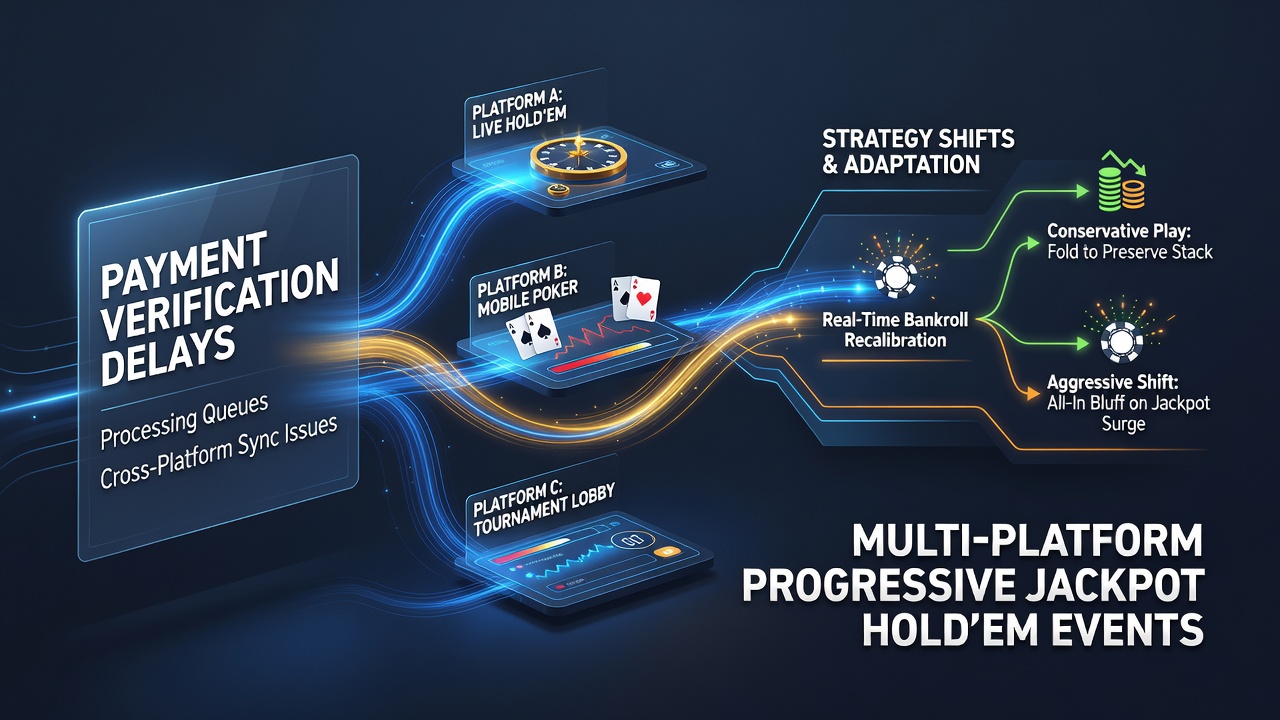
Data from multiple gaming regulators shows that payment verification timelines in digital gambling environments often stretch from several hours to multiple business days, and these intervals create direct effects on how participants approach multi-platform progressive jackpot Hold'em events where prize pools accumulate across different operators and jurisdictions. Players who enter such tournaments must account for funding availability because verification holds can prevent access to pooled jackpots that reset or grow based on aggregate contributions tracked in real time by interconnected systems.
Verification Processes Across Platforms
Operators running progressive jackpot Hold'em competitions rely on standardized know-your-customer checks that include document uploads, address confirmation, and sometimes third-party database cross-references, while delays arise when submissions contain inconsistencies or when volume spikes during major tournament windows. In August 2026 several cross-border events reported verification queues extending beyond 48 hours according to aggregated figures released by the Nevada Gaming Control Board, prompting adjustments in how entrants timed their deposits and selected which platforms to prioritize for entry fees.
Multi-platform formats link separate poker networks so that a single progressive meter draws from action on licensed sites in different regions, and this structure means one verification lag on any single platform can block a player from contributing to or claiming shares of the growing jackpot. Those who monitor these events observe that participants frequently maintain multiple verified accounts in advance, yet even pre-approved profiles encounter occasional re-checks triggered by regulatory updates or unusual transaction patterns.
Strategic Adjustments Triggered by Delays
Participants respond to verification uncertainty by shifting bankroll allocation strategies, often spreading smaller deposits across several days rather than committing larger sums at once, which allows them to test verification speed on each platform before committing to high-stakes Hold'em entries. Research compiled by the Australian Institute of Criminology on digital gambling behaviors indicates that players facing repeated hold periods alter their session planning to include buffer time between funding and tournament start, reducing the risk of missing registration windows when jackpots reach notable thresholds.
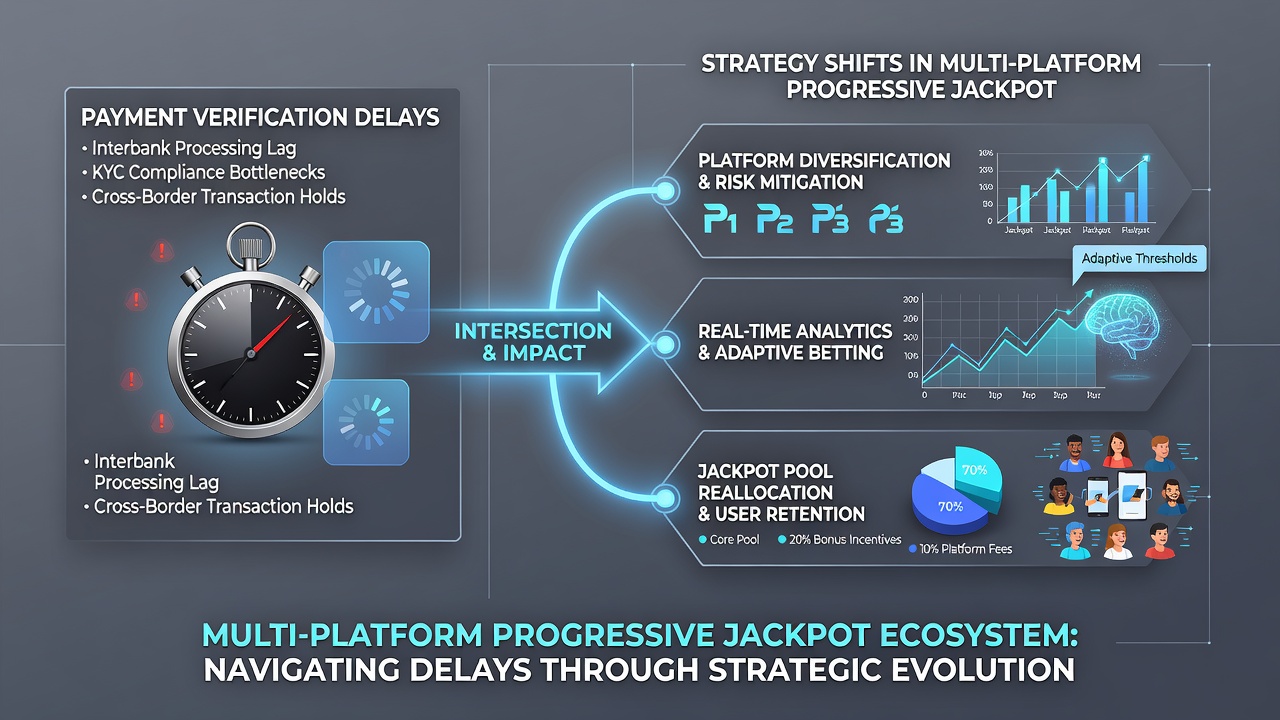
Some entrants adopt a staggered approach where they verify funds on secondary platforms first, reserving primary accounts for later stages when prize pools have expanded, while others monitor public jackpot trackers and place deposits only after confirming current verification turnaround times through operator support channels. This pattern appears consistently in data from events that span North American and European operators, where differing regulatory timelines compound the complexity of maintaining synchronized access across networks.
Impact on Tournament Participation Patterns
Figures released by the European Gaming and Betting Association track how verification bottlenecks correlate with changes in entry volumes during progressive events, showing reduced late registrations when verification averages exceed 24 hours. Players who have studied these cycles often schedule funding actions well ahead of advertised start times, and some maintain standing balances on platforms known for faster processing to preserve flexibility when a jackpot meter accelerates rapidly.
Platform operators have responded by publishing estimated verification windows and offering expedited review options for recurring participants, although availability of such services varies by jurisdiction and account history. In multi-platform settings these variations encourage competitors to diversify their presence across operators with differing processing speeds, creating layered strategies that balance risk of delay against potential jackpot upside.
Regulatory Context and Platform Responses
Regulatory bodies in multiple regions require verification steps to prevent fraud and ensure responsible participation, and these mandates intersect with the technical demands of linking progressive meters across independent systems. Data indicates that platforms investing in automated verification tools have shortened average processing times, yet manual reviews remain necessary for certain transaction types or when discrepancies appear during cross-platform reconciliation.
Observers tracking August 2026 tournament cycles noted that operators with integrated verification APIs experienced fewer disruptions to entry flows compared with those relying on batch processing, allowing participants to adjust strategies more predictably around jackpot growth phases. Such differences influence how experienced players allocate their time and resources when preparing for events that reward early and consistent contributions to the shared prize pool.
Conclusion
Payment verification delays continue to shape participation mechanics in multi-platform progressive jackpot Hold'em events by forcing adjustments in deposit timing, account management, and entry sequencing. Available data from regulatory and industry sources demonstrates measurable effects on registration patterns and funding behaviors, while platform-level improvements in processing speed offer one avenue for mitigating these intersections as events evolve through 2026 and beyond.