How Regional Banking Policies Influence Access to Live Dealer Hold'em Competitions and Reward Structures
Written by Avery Becker · Jun 6, 2026

How Regional Banking Policies Influence Access to Live Dealer Hold'em Competitions and Reward Structures
Banking policies across different jurisdictions create distinct barriers and pathways for players seeking entry into live dealer Hold'em competitions, while also shaping how rewards reach participants once events conclude. These regulations often determine which payment methods operators can accept, how quickly funds clear, and whether cross-border transfers qualify for tournament buy-ins or prize payouts. In the United States, state-level variations in financial oversight intersect with federal guidelines that limit certain electronic transfers tied to online gaming platforms. Several states permit intrastate operations yet maintain strict rules on interstate fund movements, which means players in regulated markets frequently encounter delays when attempting to fund accounts for multi-table live dealer series. Data from the American Gaming Association shows that these restrictions correlate with lower participation rates in events featuring progressive prize pools, particularly when verification processes extend beyond standard timeframes. Observers note that similar patterns emerge in Canada, where provincial banking frameworks require explicit licensing for any financial institution handling gaming-related transactions. This setup leads operators to partner with specific domestic processors, which in turn restricts reward distribution timelines for international competitors who join Canadian-hosted live dealer Hold'em leagues.European Approaches to Transaction Oversight
European countries apply divergent standards under broader payment services directives, resulting in uneven access across borders. Some nations enforce rapid settlement requirements that support seamless deposits into live dealer platforms, while others impose enhanced due diligence checks that extend processing windows for larger buy-ins. These differences become especially relevant for players targeting competitions scheduled across multiple jurisdictions during peak seasons.
What's interesting is how these policies interact with reward mechanics. When banking rules slow withdrawals, participants in extended Hold'em circuits often see prize funds held in escrow longer than expected, which affects reinvestment strategies for subsequent events. Researchers tracking transaction data across the continent have documented cases where players shift to alternative providers to maintain consistent access.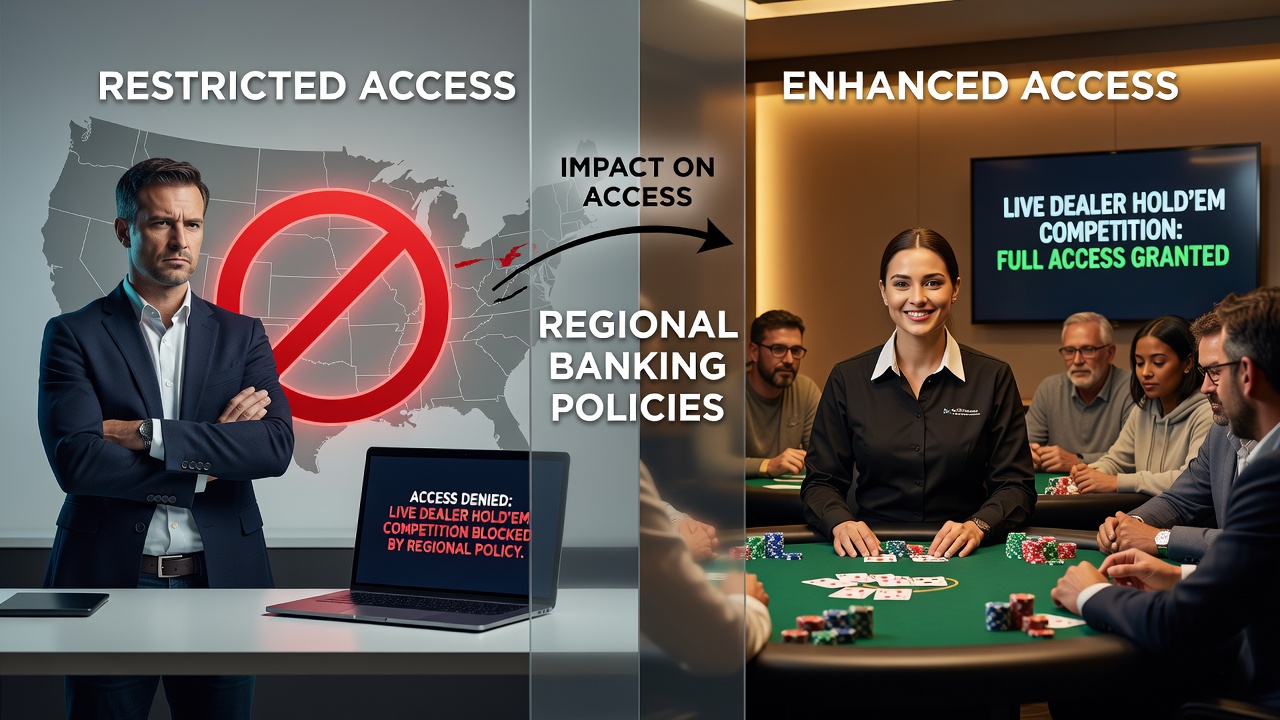
Asia-Pacific Regulatory Variations
Asia-Pacific markets demonstrate further contrasts, with Australia maintaining centralized controls on gambling-related payments through its financial regulator. Licensed operators must route all transactions domestically, which streamlines reward payouts for local players but creates friction for those attempting to join from overseas. In contrast, certain Southeast Asian jurisdictions allow greater flexibility in digital wallet usage, enabling faster entry into regional live dealer tournaments while still requiring compliance reporting for large prize awards.
Starting in June 2026, updated alignment between select Australian and New Zealand banking protocols is expected to ease some transfer restrictions for cross-Tasman participants in shared Hold'em events. Industry reports indicate this change could expand reward eligibility for players previously limited by currency conversion rules and settlement delays.
Effects on Reward Delivery and Tournament Participation
Banking policies also influence how operators structure reward tiers within live dealer competitions. Regions with tighter capital flow controls tend to see more frequent use of in-platform credit systems rather than direct bank transfers, which alters the timing and tax reporting associated with major payouts. Figures from regulatory filings reveal that players in these areas often accumulate points or credits over multiple events before converting them to cash prizes, a process that adds administrative layers.
Take the example of one operator group operating across North America and Europe: their data indicates that markets with streamlined banking approvals experience 30 percent higher repeat entry rates into progressive jackpot Hold'em series compared to regions requiring additional intermediary approvals. This pattern holds because quicker fund movement allows participants to reinvest winnings without extended waiting periods.
Conclusion
Regional banking policies continue to define the practical boundaries of live dealer Hold'em competition access and reward realization. As frameworks evolve, particularly with coordinated changes anticipated in June 2026, operators and players alike adjust their approaches to maintain participation across borders. Those monitoring these developments track how payment infrastructure updates reshape both entry patterns and the final distribution of tournament rewards.