How Sound Design in Apps Alters Bet Timing During Bonus-Fueled Hold'em Sessions
Written by Devon Schulz · Aug 20, 2026
How Sound Design in Apps Alters Bet Timing During Bonus-Fueled Hold'em Sessions
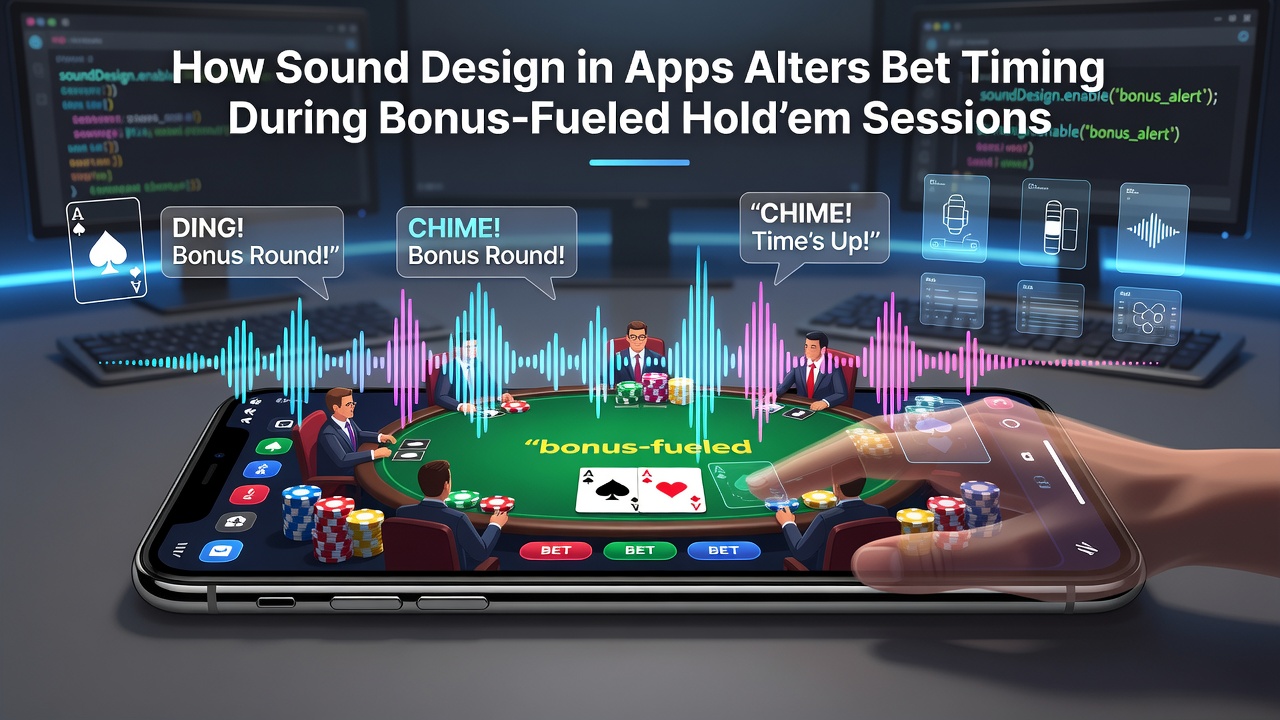
Sound design elements in digital Hold'em applications create specific audio cues that shift the pace at which players place bets when bonus incentives activate. These cues range from rising tones during bonus multipliers to layered audio layers that signal available rewards, and industry reports from August 2026 show measurable changes in decision intervals across major platforms.
Core Audio Components in Hold'em Applications
Applications integrate layered soundtracks that include chip clinks, card flips, and ambient table noise alongside targeted bonus alerts, and these elements combine to form rhythmic patterns that players respond to during active sessions. Data from platform analytics indicates that bonus-triggered chimes reduce average bet placement time by several seconds compared to standard rounds, because the audio signals align with visual prompts for action.
Researchers at gaming technology institutes have tracked how distinct frequency ranges in these sounds correlate with faster or slower responses, and one analysis of session logs revealed that higher-pitched alerts during bonus phases prompt quicker folds or calls in multi-table setups. The integration of real-time audio feedback loops allows apps to adjust volume and tempo based on player engagement metrics, which in turn influences the overall rhythm of bonus-fueled Hold'em play.
Timing Shifts Linked to Bonus Activation
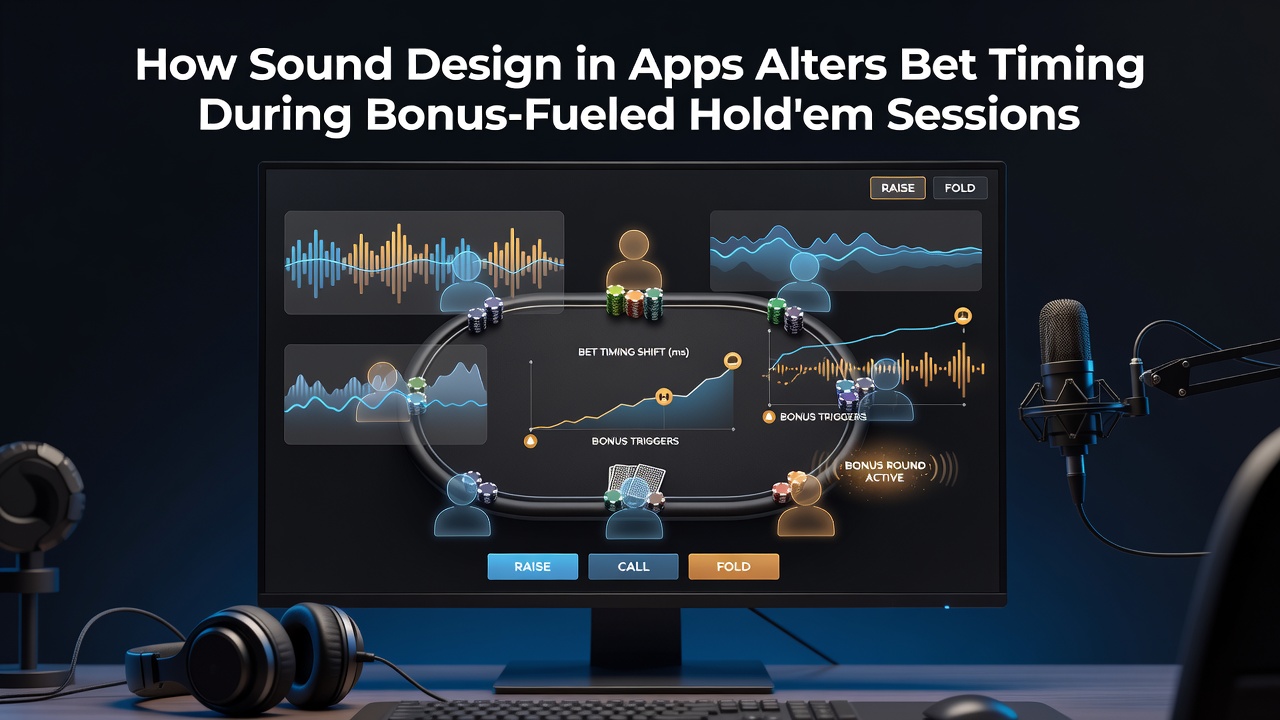
Bonus structures often activate through specific sound sequences that mark the start of enhanced reward windows, and players adjust their betting cadence accordingly as these sequences play out. Studies conducted by North American research groups demonstrate that sessions incorporating progressive audio builds see bet timing compress by up to 15 percent once the bonus audio layer engages, since the sounds create a sense of urgency without altering the underlying game rules.
Platform operators in regions such as Australia and parts of Europe have documented similar patterns through aggregated user data, where win-associated melodies extend decision windows slightly while loss-mitigating tones accelerate subsequent bets. This variation appears consistently across both casual and competitive Hold'em environments, and the effect compounds when multiple bonuses stack within a single session.
Interface Elements and Decision Speed
Sound layering works alongside visual timers and bet sliders to guide player actions, and experts note that synchronized audio-visual triggers produce more consistent timing adjustments than visuals alone. In August 2026 updates to several cross-platform apps, developers refined these layers to include subtle pitch variations that correspond to stack sizes and pot odds, which has led to further refinements in how quickly participants respond during bonus periods.
One case involving a large-scale app deployment showed that players exposed to calibrated sound profiles maintained steadier bet intervals even as bonus values fluctuated, whereas unadjusted audio resulted in erratic pacing. Observers tracking these metrics point to the role of background loops in maintaining focus, particularly when sessions extend beyond standard durations and multiple bonus triggers occur in sequence.
Regional Data and Platform Comparisons
Figures from the American Gaming Association highlight how audio customization options in U.S.-based apps correlate with regional differences in session pacing, and similar patterns emerge in reports from Canadian provincial regulators. These datasets cover thousands of Hold'em sessions where bonus audio features were active, revealing that players who enable custom sound profiles tend to exhibit more uniform bet timing across bonus cycles.
Academic work from European university labs has examined the psychological mechanisms behind these responses, noting that certain harmonic progressions align with established models of auditory cue processing. The findings indicate that apps using adaptive soundtracks achieve more predictable timing outcomes, and platform operators continue to refine these systems based on ongoing telemetry.
Longer-Term Patterns in Player Behavior
Extended tracking across multiple months shows that repeated exposure to the same sound design elements leads to habituated responses, where bet timing stabilizes even during intense bonus sequences. This stabilization occurs because players learn to associate particular audio markers with specific game states, allowing faster recognition and action selection without conscious effort.
Industry reports compiled in mid-2026 further illustrate that apps incorporating spatial audio features produce additional timing variations depending on device type, and mobile users display different patterns from desktop participants during the same bonus-fueled Hold'em rounds. These device-specific differences stem from variations in audio delivery hardware rather than changes to the core game mechanics.
Conclusion
Sound design continues to shape bet timing in bonus-fueled Hold'em sessions through deliberate audio engineering that aligns with player decision points, and ongoing platform updates in August 2026 reflect sustained attention to these interactions. Data from multiple regulatory and research sources confirms consistent effects across regions, with audio cues serving as reliable modifiers of session rhythm when bonuses activate. Future refinements will likely build on these established connections between sound profiles and timing outcomes.