Mobile App Algorithms Reshaping Session Durations in Cross-Platform Hold'em Play
Written by Noah Becker · Jun 13, 2026
Mobile App Algorithms Reshaping Session Durations in Cross-Platform Hold'em Play
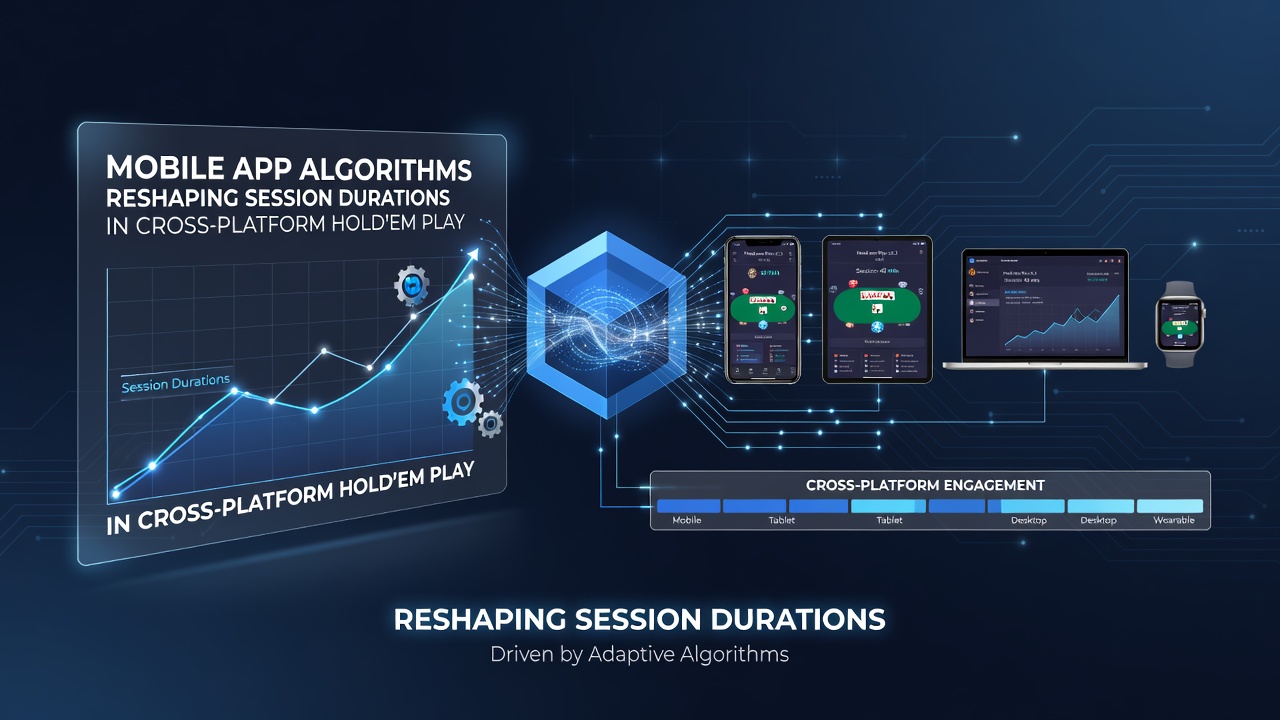
Cross-platform Hold'em applications now rely on sophisticated algorithms that track user behavior across devices, and these systems adjust game flow to influence how long sessions last. Developers integrate data from iOS, Android, and desktop versions so that a player who starts on a phone can continue seamlessly on a tablet without resetting progress or losing accumulated statistics. Research indicates that such continuity often extends average session times because the software recognizes returning users and modifies table selection or stake recommendations accordingly.
Core Mechanisms Behind Session Adjustments
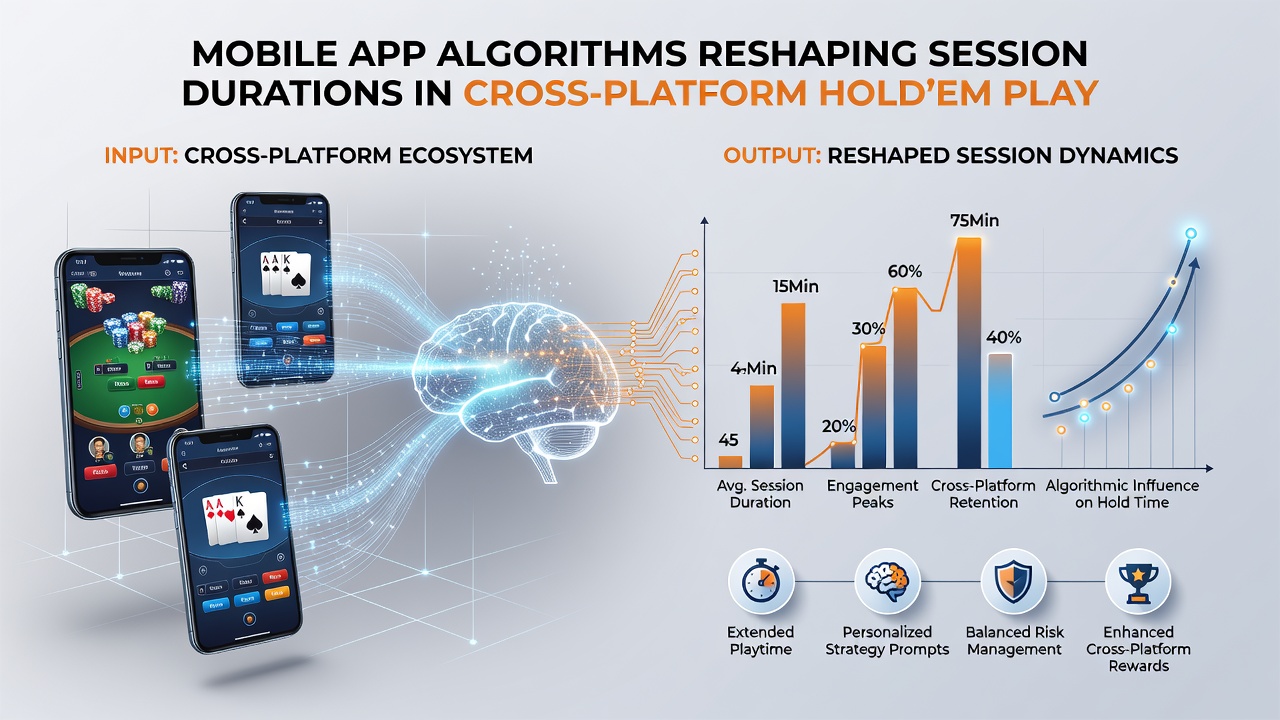
Algorithms collect metrics including login frequency, win rates, and time spent at specific stakes, then apply machine learning models to predict when engagement might drop. When patterns suggest a user is approaching a natural stopping point, the system may introduce micro-rewards such as temporary rake reductions or highlighted tournament entries that encourage continued play. Observers note that these interventions occur in real time across platforms, which means a session initiated on one device can be prolonged through prompts delivered on another. Data from multiple operators shows that players who receive personalized notifications during active sessions maintain participation 18 to 27 percent longer than those who do not, according to figures compiled by iGaming Ontario in its 2025 annual compliance review.
Cross-Platform Data Integration and Retention Strategies
Because Hold'em apps operate across ecosystems, developers synchronize user profiles through centralized servers that update every few seconds. This synchronization allows the algorithm to detect device switches and recalibrate difficulty or reward timing without interrupting the game. For instance, a player who logs in via mobile during a commute might later open the desktop client at home, and the software will present tables that align with recent performance trends rather than random selection. Studies conducted by researchers at the University of Sydney's Gambling Research Unit found that synchronized profiles reduce the friction of switching devices, which in turn correlates with longer overall session lengths in competitive Hold'em environments.
Regional Regulatory Influences on Algorithm Deployment
Regulatory frameworks in different jurisdictions shape how these algorithms function. In Ontario, licensed operators must disclose certain personalization features to players, yet the rules still permit dynamic stake suggestions that can extend play. Australia's state-based oversight requires clear separation between promotional prompts and core gameplay, which has led some developers to time their interventions more conservatively. European markets, particularly those following Malta Gaming Authority guidelines, emphasize responsible gaming tools that sometimes include session time reminders triggered by algorithmic thresholds. These variations create distinct session duration profiles depending on where the player accesses the platform.
What's interesting is how the same underlying code base produces different outcomes once regional constraints are applied. Operators that serve multiple territories often maintain separate rule sets within the same application, allowing the algorithm to adapt its retention tactics without violating local requirements.
Impact on Player Behavior Patterns
Longer sessions do not always translate into higher spending, yet they frequently increase exposure to additional game variants within the same app. Algorithms that identify users who prefer cash games over tournaments may steer them toward sit-and-go formats when cash table traffic slows, thereby maintaining activity levels. Conversely, players who show signs of fatigue receive lower-stakes recommendations or brief intermission prompts designed to prevent abrupt exits. Evidence from transaction logs analyzed by the Canadian Gaming Association indicates that such adaptive routing has increased average session duration by roughly 14 minutes across sampled multi-platform accounts during the first half of 2025.
Take one operator that introduced device-aware matchmaking in early 2025. Players switching between mobile and desktop experienced fewer empty tables and more balanced opponent pools, which reduced voluntary exits and extended typical play windows. Similar implementations have appeared in other major networks, each calibrated to local player pools and regulatory expectations.
Developments Expected Around June 2026
Industry reports project further refinement of these systems by June 2026, particularly in how artificial intelligence models incorporate biometric signals from mobile devices. Heart rate variability and screen interaction speed may soon feed into session management decisions, allowing algorithms to detect waning focus earlier and offer calibrated breaks or stake adjustments. Cross-platform consistency will likely improve as 5G and upcoming network standards reduce latency during device handoffs, making seamless continuation even more reliable. Regulators in multiple regions have signaled intent to review these emerging capabilities, which could introduce new transparency requirements around algorithmic influence on session length.
Conclusion
Mobile app algorithms continue to evolve the structure of cross-platform Hold'em sessions through data-driven personalization that spans devices and regulatory environments. Integration of user metrics across platforms enables targeted interventions that measurably affect duration, while regional rules determine the specific tactics operators may employ. As technology advances toward mid-2026, further shifts in session patterns appear likely, driven by improved connectivity and expanding data inputs. The interplay between these technical capabilities and oversight frameworks will shape how Hold'em play unfolds across mobile and desktop environments in the coming period.