Navigating Secure Payment Routes That Shape Long-Term Prize Building in Competitive Hold'em Series
Written by Lars Becker · May 16, 2026

Navigating Secure Payment Routes That Shape Long-Term Prize Building in Competitive Hold'em Series
Competitive Hold'em series demand consistent access to funds across multiple events, and secure payment routes play a central role in allowing participants to maintain bankrolls without interruption. Observers note that platforms employing end-to-end encryption and multi-factor authentication reduce the risk of transaction failures that can sideline players mid-circuit, while reliable verification processes keep prize accumulations on track through extended schedules.
Core Payment Pathways in Tournament Play
Bank wire transfers and established e-wallets continue to dominate entry fee handling because they integrate directly with tournament software used by major circuits. These methods support instant confirmations that align with registration deadlines, and data from the American Gaming Association shows they account for the majority of high-stakes entries in North American events. Players who route funds through these channels often maintain uninterrupted participation across regional stops, whereas slower alternatives create gaps that affect qualification for cumulative prize structures.
Digital wallets with built-in fraud detection add another layer by flagging unusual activity before funds leave an account. Research indicates that circuits adopting these tools see fewer chargebacks, which in turn stabilizes the overall prize pool calculations that organizers release before each series leg. In practice, a participant moving between weekly qualifiers and monthly main events benefits when deposits clear within minutes rather than hours, preserving momentum toward long-term accumulation goals.
Regulatory Frameworks Guiding Transaction Security
State-level oversight in the United States requires licensed operators to maintain segregated accounts for player funds, a measure that prevents commingling with operational capital. The Nevada Gaming Control Board enforces regular audits of these accounts, and similar standards appear in emerging markets where Hold'em series are expanding. Such rules create predictable environments where entrants can track their balances across multiple buy-ins without concern for operational shortfalls.
Outside North America, Australian regulatory bodies apply comparable requirements through real-time reporting systems that monitor large transfers. These systems link directly to tournament registration portals, allowing organizers to verify cleared funds before seating players. When payment routes meet these benchmarks, series maintain steady growth in both entry numbers and total prize distributions, supporting the extended campaigns that define successful long-term prize building.
Integration With Series Structures and Prize Ladders
Many Hold'em circuits now embed payment gateways into their apps so that satellite winnings flow automatically into main event entries. This seamless connection reduces manual steps and the associated error rates that once delayed reinvestment. Figures from industry reports reveal that players using integrated systems advance through multiple tiers of a series at higher rates because funds remain available for successive buy-ins rather than sitting in pending status.
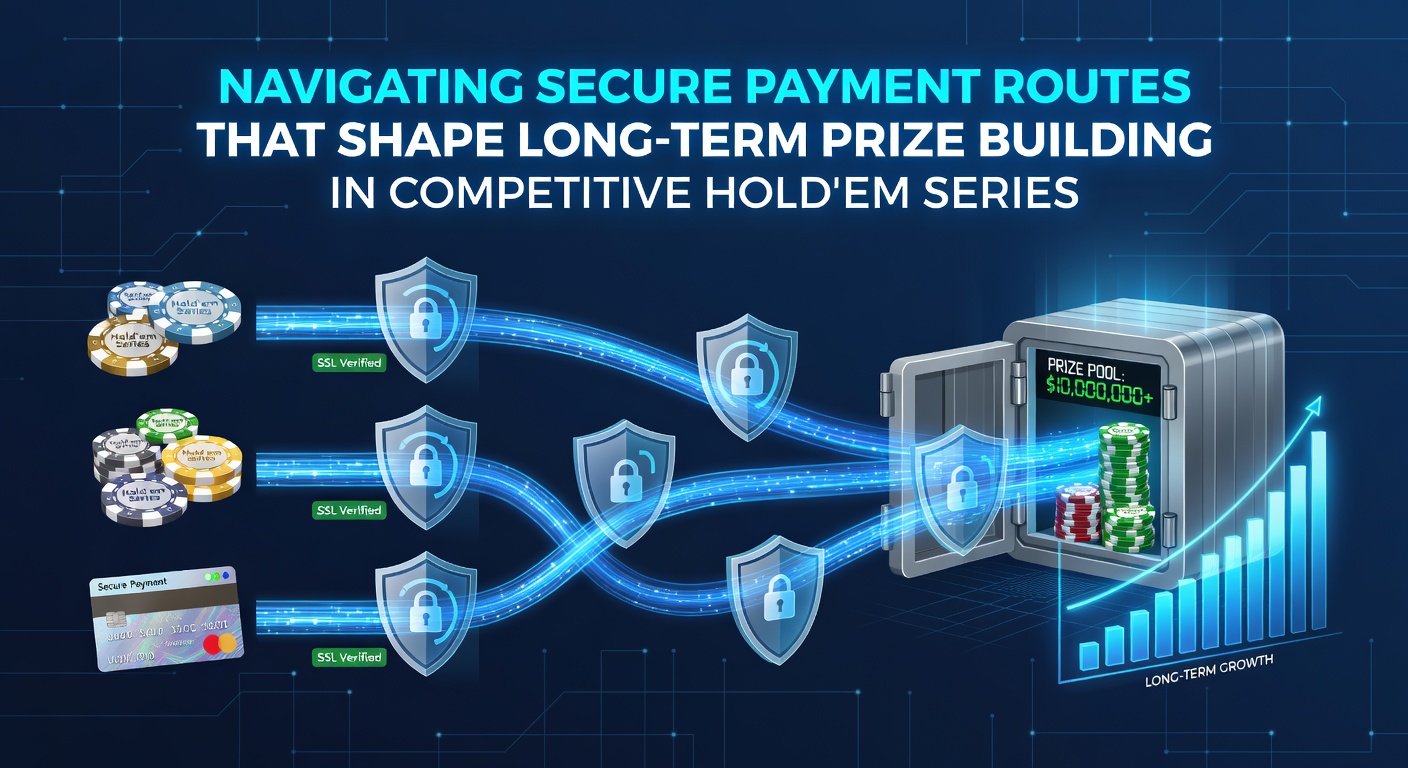
Secure routes also support the rollover of smaller cashes into larger buy-ins later in the schedule. When a circuit offers progressive prize ladders, quick confirmation of prior winnings lets participants decide on additional entries without waiting for external processing. Observers note that this fluidity becomes especially relevant during condensed periods such as the May 2026 festival blocks, where overlapping events require rapid fund movement to capture every opportunity.
Emerging Technologies and Their Adoption
Tokenized payment options and blockchain-based ledgers are appearing in select international series, primarily where local regulations permit digital asset use for tournament fees. These alternatives offer transparent transaction histories that organizers can audit in real time, reducing disputes over prize allocations. Early adopters report fewer interruptions when moving between online qualifiers and live final tables, since verification occurs on a distributed network rather than through centralized banking delays.
Yet traditional methods retain dominance in most North American and European circuits because established compliance frameworks already cover them. The reality is that hybrid models are gaining traction, allowing players to choose the route that best matches their location and banking preferences while still meeting series security standards. This flexibility supports sustained participation over full seasons rather than isolated events.
Conclusion
Secure payment routes directly influence how competitors accumulate and redeploy funds across Hold'em series calendars. Regulatory requirements, integrated gateways, and emerging verification tools together create environments where consistent participation becomes feasible over multiple months or even years. As circuits prepare for events scheduled through May 2026 and beyond, the emphasis on reliable transaction pathways continues to shape which players maintain access to the prize ladders that define long-term success in competitive Hold'em.