Patterns Linking Tiered Promotion Structures to Sustained Involvement in Multi-Stage Real-Money Hold'em Circuits
Written by Lars Becker · May 30, 2026
Patterns Linking Tiered Promotion Structures to Sustained Involvement in Multi-Stage Real-Money Hold'em Circuits
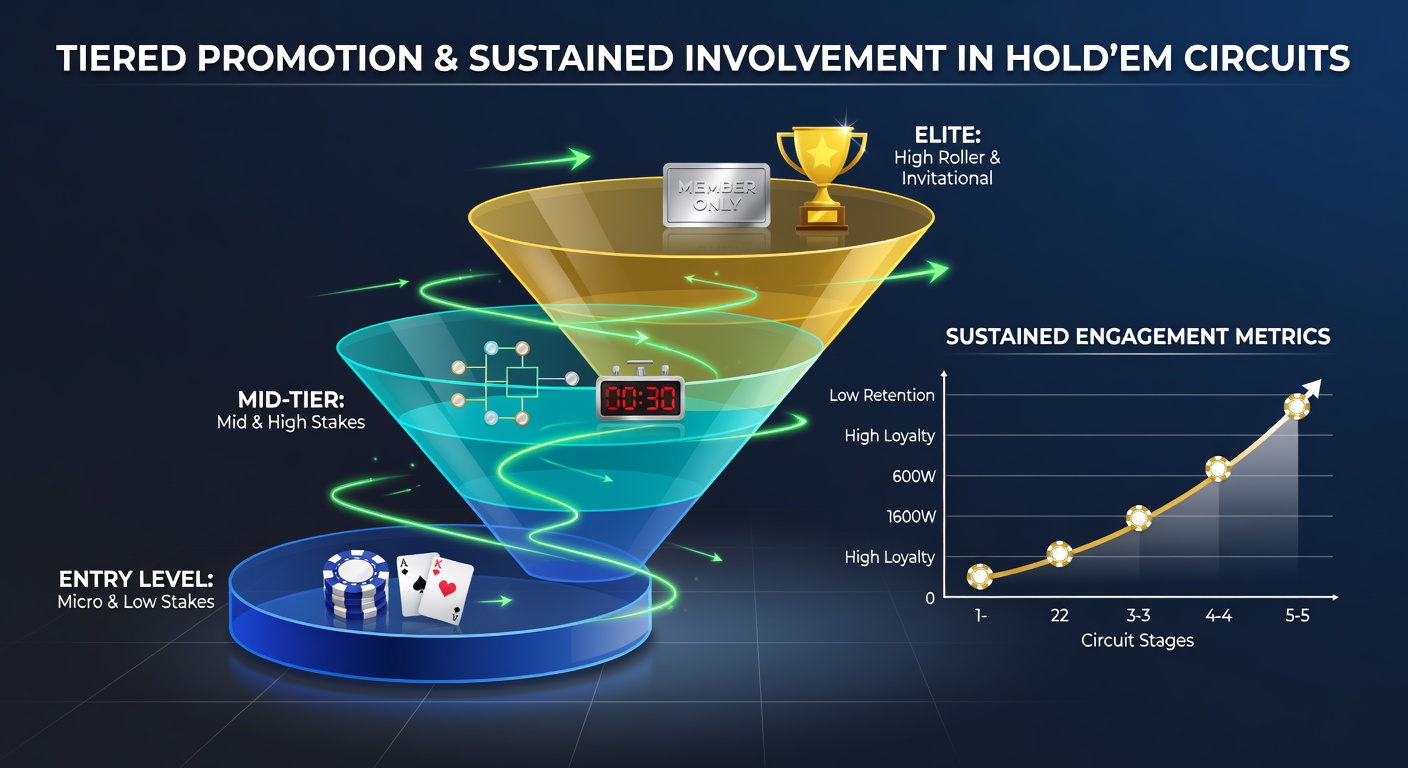
Multi-stage real-money Hold'em circuits rely on tiered promotion structures that reward cumulative participation across qualifying events, satellite rounds, and main tournaments, and researchers tracking player data have identified clear patterns where these systems correlate with longer retention periods. Observers note that players who advance through bronze, silver, and gold tiers often maintain involvement across multiple seasons because each level unlocks additional entry incentives, leaderboard points, and priority access to later stages. Data from circuit operators shows that retention rates increase when promotions reset on a seasonal basis rather than resetting after single events, because the accumulated progress creates ongoing incentives that span several months.
How Tiered Systems Organize Player Progression
Tiered structures typically divide participants into levels based on total buy-ins, cashes, or points earned within a defined period, and this organization allows operators to segment rewards so that early-stage players receive entry bonuses while higher tiers gain access to exclusive satellite qualifiers. Studies of participation logs indicate that players who reach the second tier within the first quarter of a season demonstrate a higher likelihood of completing full circuits compared with those who remain at entry level, because the visible progression path encourages repeated entries into feeder tournaments. Circuit administrators report that these systems often incorporate monthly leaderboards that feed into annual rankings, and the linkage between short-term achievements and long-term status helps sustain involvement through periods when individual event results fluctuate.
Retention Patterns Across Multi-Stage Events
Analysis of registration and completion records reveals that circuits using tiered promotions experience steadier attendance in later stages, whereas flat reward models show sharper drop-offs after initial events. Participants who accumulate points toward higher tiers frequently enter additional qualifiers even after early exits, because the tier status carries forward and protects their position for subsequent rounds. Figures from multiple operators demonstrate that average number of events entered per player rises when promotions include carry-over benefits such as reduced buy-ins or bonus chips at higher levels, and this pattern holds across both live and online formats of real-money Hold'em. Those who study circuit dynamics observe that the presence of visible milestones, such as mid-season tier evaluations, coincides with reduced attrition rates between stages, particularly when the evaluations occur before major championship events.
Geographic and Format Variations in Promotion Design
North American circuits often emphasize point accumulation tied to cash game volume in addition to tournament results, whereas European and Asian operators more commonly focus on satellite performance and direct buy-in totals when assigning tier status. Data collected by regulatory bodies in different jurisdictions shows that players respond differently depending on whether promotions include regional leaderboards or global rankings, with cross-border participants showing stronger sustained involvement when tiers incorporate international events. In May 2026 several circuits plan to introduce synchronized tier resets that align with new satellite schedules, and preliminary registration trends suggest these adjustments may further stabilize participation across multi-stage formats. Industry reports from sources such as the Nevada Gaming Control Board track how promotion structures influence overall handle and player counts, while research from Ontario's iGaming regulator highlights similar patterns in digital Hold'em environments.
Statistical Links Between Tiers and Continued Participation
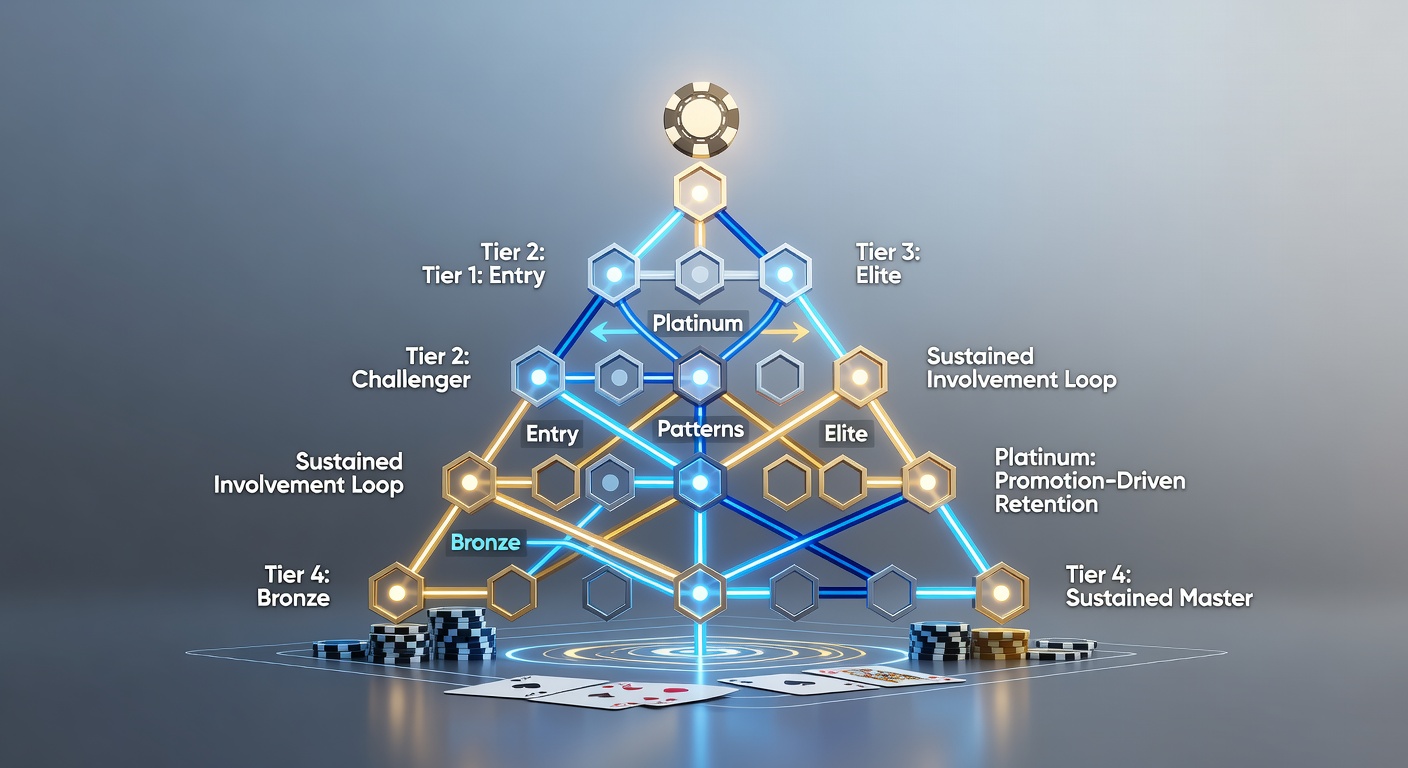
Regression analyses performed on multi-year datasets indicate a positive correlation between tier advancement speed and total events completed, although the strength of the relationship varies with prize pool size and travel requirements for live events. Players who achieve mid-tier status early in a cycle tend to maintain higher entry frequency through the final stages, and this holds even when individual results remain inconsistent. Circuit operators have documented cases where adjustments to tier thresholds produced measurable shifts in retention, such as when requirements for the top level were lowered and subsequent season-long participation increased among the affected group. Reports compiled by academic researchers at institutions studying gambling behavior further confirm that visible progress indicators reduce the rate at which participants disengage between stages, particularly when those indicators include both monetary and status-based rewards.
Operational Adjustments and Observed Outcomes
Operators periodically recalibrate tier requirements based on historical entry data, and these adjustments frequently target segments showing early drop-off to encourage continued involvement through the later circuit stages. When promotions incorporate team or affiliate components, group participation patterns emerge that extend individual commitment, because shared progress toward tier goals creates additional social reinforcement. Records from several established circuits show that the introduction of hybrid live-online tier tracking coincided with higher completion rates for multi-stage series, because players could accumulate points across formats without losing momentum. Those monitoring industry trends note that successful structures balance accessibility for new entrants with meaningful differentiation at higher tiers, thereby sustaining a broad player base while rewarding consistent involvement.
Conclusion
Tiered promotion structures in multi-stage real-money Hold'em circuits produce measurable patterns of sustained involvement when they link short-term achievements to longer-term status and access benefits. Registration and completion data across multiple operators consistently demonstrate higher retention among players who advance through defined levels, and these outcomes appear across geographic regions and both live and digital formats. As circuits continue to refine their promotion mechanics ahead of future seasons, the documented relationships between tier progression and continued participation provide operators with concrete indicators for adjusting reward schedules and maintaining engagement throughout extended event calendars.