Prize Pool Dynamics Influenced by Varied Funding Choices in Remote Hold'em Leagues
Written by David Lang · Jul 6, 2026
Prize Pool Dynamics Influenced by Varied Funding Choices in Remote Hold'em Leagues
Remote Hold'em leagues rely on multiple funding mechanisms that directly shape prize pool sizes, distribution schedules, and long-term sustainability, with operators selecting from player contributions, operator subsidies, sponsorship infusions, and hybrid models that combine several sources at once. These choices determine whether pools grow steadily through consistent entry fees or fluctuate based on external capital injections that arrive at irregular intervals throughout the year.
Player-Funded Models and Their Effects on Pool Accumulation
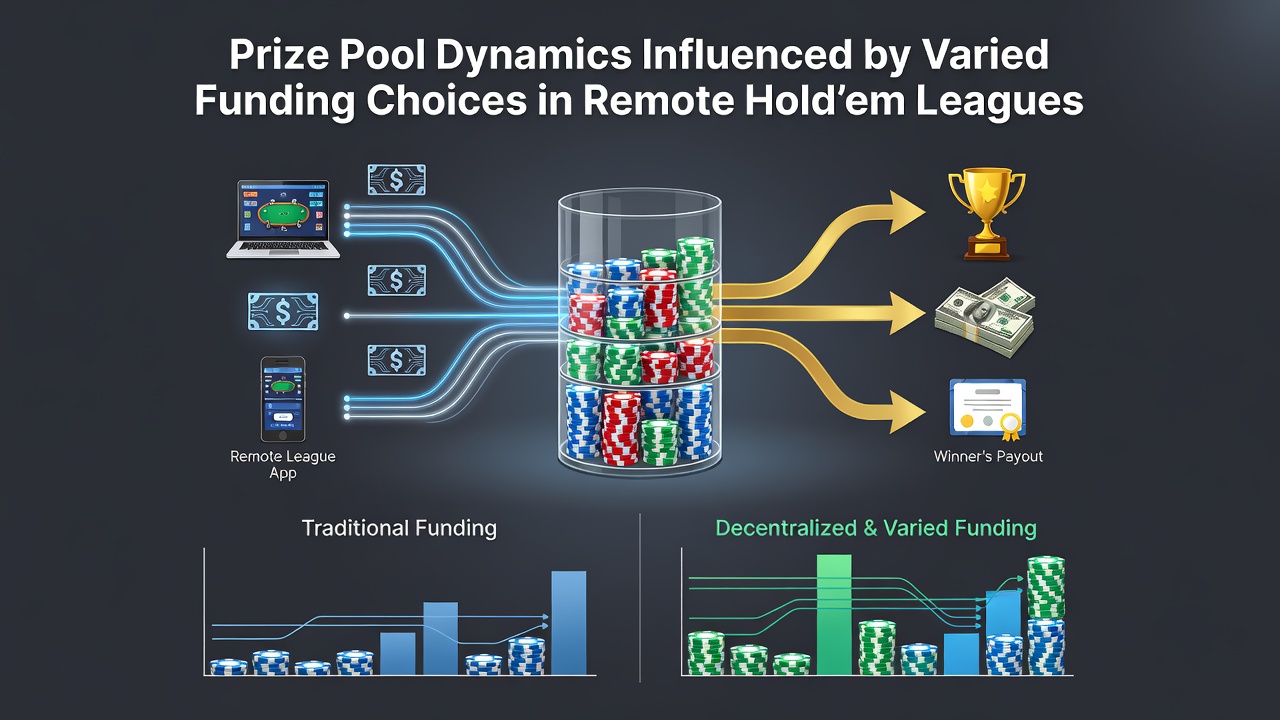
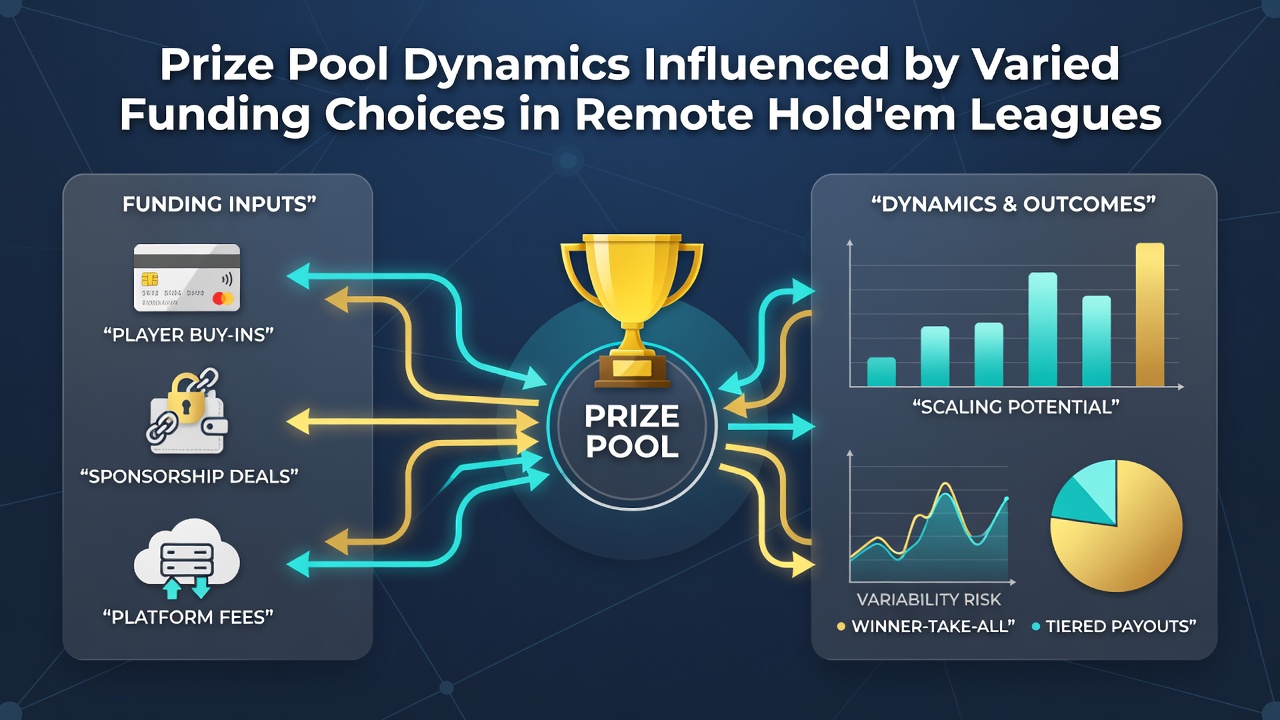
Player-funded structures collect entry fees and a portion of rake that feeds directly into the prize pool, creating a direct correlation between participation volume and reward magnitude that researchers have tracked across multiple platforms since the expansion of digital tournaments. Data from various operators shows that leagues using this approach often experience steady growth during peak seasons, yet they face sharp contractions when player numbers drop due to economic pressures or competing events. In July 2026 several remote leagues reported a 12 percent increase in average pool sizes after introducing tiered buy-in options that encouraged repeat entries while maintaining the same percentage allocation to the main prize fund.
Operator Subsidies and External Sponsorships
Operator subsidies supplement player contributions when platforms allocate a fixed percentage of their revenue or add guaranteed amounts to attract larger fields, a tactic that has become common in cross-platform competitions where initial pools might otherwise start too small to draw international participants. Sponsorship deals introduce another layer, with brands providing lump-sum additions that expand the pool but often tie distribution rules to specific promotional periods or regional restrictions. Observers note that leagues blending subsidies with sponsorships tend to maintain more consistent pool values month to month compared with purely player-driven formats, although the added capital sometimes requires adjusted payout structures that spread rewards across more finishing positions.
Hybrid Approaches and Their Influence on Distribution Timing
Hybrid funding combines player fees with targeted operator top-ups and occasional sponsor contributions, allowing administrators to smooth out fluctuations that occur when one source weakens. Figures from industry reports indicate these models frequently produce larger overall pools because the diversified inputs reduce reliance on any single revenue stream, yet they also introduce complexity in calculating minimum guarantees and rollover rules that affect how quickly winners receive funds. In practice, leagues employing hybrids have demonstrated greater resilience during slower periods, sustaining prize levels that encourage continued participation rather than abrupt declines that can erode player confidence.
Regulatory Factors Shaping Funding Decisions
Regulatory environments in different jurisdictions influence which funding options remain viable, with some regions capping operator contributions or requiring transparent disclosure of subsidy sources before pools can be advertised. Canadian Gaming Association reports highlight how provincial rules affect the balance between player-funded and subsidized pools, while comparable data from Australian authorities shows similar patterns in cross-border digital events. These constraints push operators toward hybrid structures that comply with multiple sets of requirements without sacrificing pool competitiveness.
Long-Term Sustainability Patterns
Long-term data reveals that leagues relying heavily on sponsorships encounter greater variability when contracts expire or shift focus, whereas those anchored in steady player contributions plus modest operator support maintain more predictable growth trajectories. Patterns documented in multi-year studies demonstrate that diversified funding correlates with higher retention rates because players perceive the pools as both substantial and reliably funded across seasons. Remote platforms have responded by publishing detailed breakdowns of funding sources alongside each tournament announcement, a practice that has gained traction as participants seek clarity on how prize amounts are assembled and protected against sudden shortfalls.
Conclusion
Varied funding choices continue to define the scale and stability of prize pools in remote Hold'em leagues, with each model carrying distinct implications for accumulation speed, distribution fairness, and participant engagement. Operators that combine multiple sources while respecting regional regulations appear positioned to deliver consistent reward structures that support ongoing league operations through 2026 and beyond.